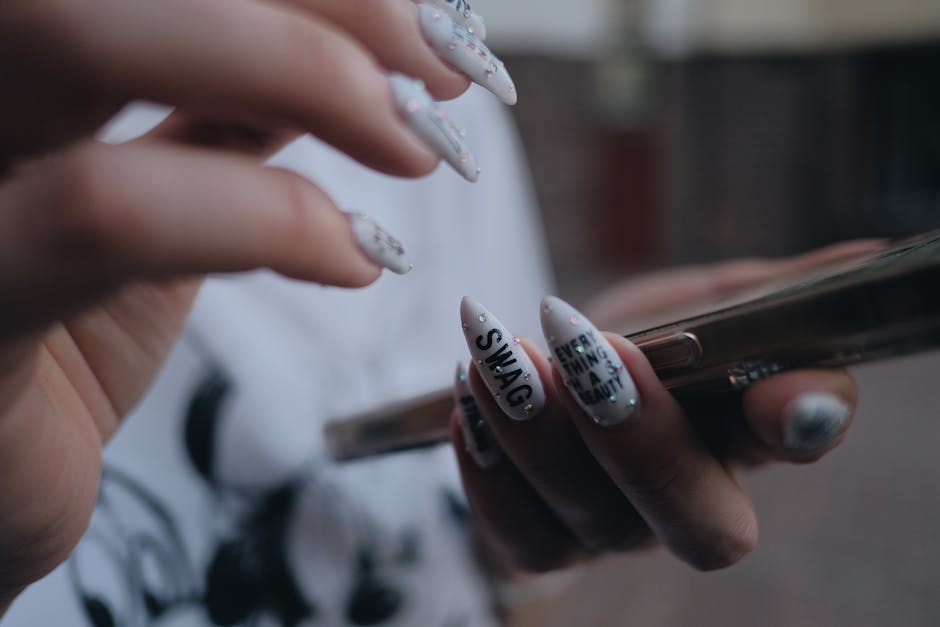
“Press on nail designs” is one of the largest umbrella searches in the category, and that’s the problem. The query covers every aesthetic from quiet-luxury French to 3D charm-loaded statement sets. If you scroll through Pinterest for ten minutes you’ll find every one of them tagged the same way, and most roundups don’t tell you which design actually fits how you live — so you end up with a beautiful set that catches on your hair, your sleeves, and your patience.
This guide flips the format. Instead of ranking trends, it groups press-on designs into seven durable archetypes — the buckets that have stuck around long enough to count as design language, not seasonal noise — and tells you who each archetype is built for. If you know which archetype you are, the rest of the choice (length, shape, finish) gets a lot easier.
How to read this list
Every archetype below has the same three buyer-fit notes:
- Best for — the lifestyle, occasion, or aesthetic the archetype actually serves.
- Wear-friendly? — how forgiving the design is during a normal week. Some archetypes look incredible and snag on everything; we’ll say so.
- Skip if — the situation where this archetype will quietly disappoint you.
None of these archetypes are “better” than the others. They’re built for different lives. If you want the underlying logic for why design choice and material choice are linked, the luxury press-on guide walks through the five things that separate a press-on that wears like a salon set from one that lifts on day three — finish, fit, and C-curve all show up here too.
1. French — the durable default
The classic white tip on a sheer pink or nude base is the most-searched press-on design year after year, and for good reason: it photographs cleanly, it doesn’t fight what you’re wearing, and it ages well between salon visits because the white edge masks the natural growth line. Modern variants stretch the formula — micro-French with a hairline tip, colour-French with chocolate or cherry instead of white, reverse French at the cuticle — but the underlying structure is the same.
- Best for: work-to-evening, weddings as a guest, anyone who wants their hands to look “done” without looking loud.
- Wear-friendly? Very. The design is mostly base coat, so chips show up as cosmetic rather than catastrophic.
- Skip if: you want your nails to be the main character of an outfit. French is a supporting role by design.
2. Chrome — the high-shine archetype
Chrome covers anything with a metallic mirror finish: full chrome, chrome on the tip, “aura” chrome with a soft halo of pigment under the metallic powder. It looks expensive on camera and reads as “intentional” in person. The trade-off is that chrome shows every smudge and fingerprint within hours of application, and the mirror layer is the first thing to dull.
- Best for: events, photoshoots, going out, any moment where the nails will be photographed inside a 7-day window.
- Wear-friendly? Medium. Chrome wears beautifully if you keep your hands out of dish water and reapply top coat every few days.
- Skip if: you cook every day or work with paper, ink, or cleaning chemicals — the finish will dull faster than the underlying nail fails.
3. Jelly — the translucent archetype
Jelly nails are sheer-tinted: think tinted glass over the natural nail, in cherry, raspberry, amber, or the now-ubiquitous “milky” pink. The aesthetic is fresh, young, and very of-the-moment, and the translucency means the design is forgiving on natural-nail length variation.
- Best for: short-to-medium length wearers, summer, anyone who wants colour without commitment to a full opaque look.
- Wear-friendly? High. Translucent designs hide minor edge wear better than opaque colour.
- Skip if: you have visible ridges or staining on the natural nail — the design won’t cover them.
4. Ombré — the gradient archetype
Ombré is the gradient family: pink-to-white “baby boomer,” nude-to-glitter, dark-to-light, and every two-tone fade between. The visual softness reads expensive, and the gradient hides the seam between the press-on and the cuticle line better than any other design family — which is why it’s the go-to for first-time wearers who don’t yet trust their application technique.
- Best for: brides, beginners, longer-wear sets where a clean cuticle line matters every day.
- Wear-friendly? High. Ombré is one of the most forgiving designs on grow-out.
- Skip if: you want a sharp, graphic moment. Ombré is intentionally soft.
5. 3D — the dimensional archetype
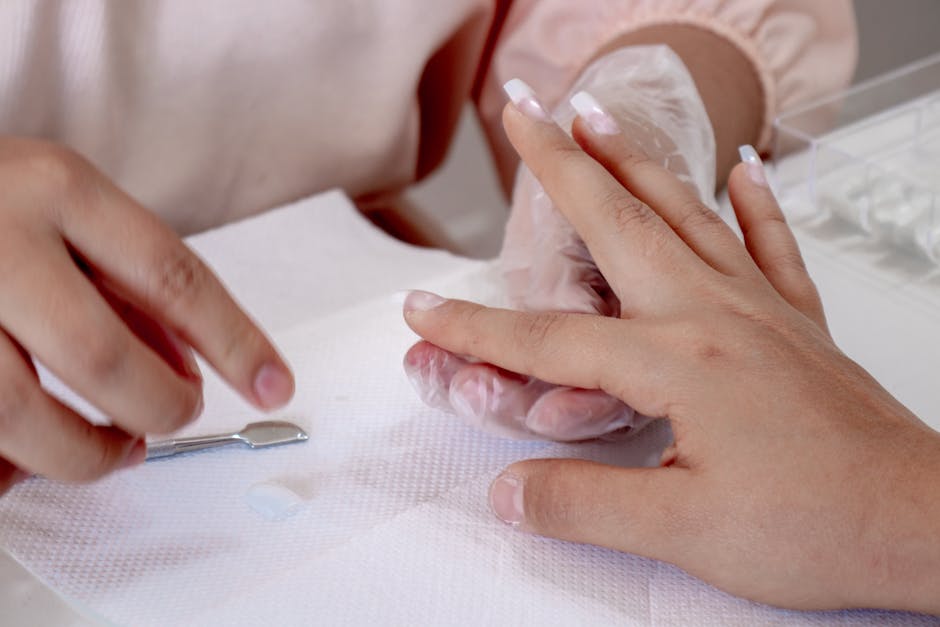
3D nails carry physical elements glued, cured, or embedded onto the surface: pearls, bows, gems, chrome droplets, charm-style bag jewellery, even small fabric ribbons. This is the archetype that drives the most “viral” press-on content because it photographs dramatically, but it’s also the archetype that tests your daily routine the hardest.
- Best for: shoots, performances, going-out sets, weekend wear with no laptop or kitchen time.
- Wear-friendly? Low. Charms and gems catch on hair, sleeves, and bags. Plan around the set.
- Skip if: you sleep on your hands, type all day, or wear knit sweaters in winter — you’ll lose elements within 48 hours.
6. Minimal — the quiet-luxury archetype
Minimal is everything that reads as “expensive nothing”: single-tone milky white, glazed donut finish, sheer mocha, clear-with-a-shimmer. The design does almost no visual work, which means everything else about the set has to do more — shape needs to be clean, length needs to be in proportion to the hand, finish needs to be glossy and even. Minimal is unforgiving of a sloppy application; it’s the archetype where a poor prep job shows the most.
- Best for: daily wear, professional environments, anyone who wants a manicure that doesn’t read as “manicure.”
- Wear-friendly? Very high. There’s no decorative element to chip or lose.
- Skip if: you want occasion-level impact — minimal is intentionally low-volume.
7. Statement — the maximalist archetype
Statement is everything else, deliberately: graphic prints, bold colour blocks, mixed-finish sets where every nail is a different design, leopard, animal, custom airbrushed art, full chrome plus charms plus colour. If the previous six archetypes are about choosing a lane, statement is about deliberately not choosing one. It’s the most photographed press-on archetype on social, and the most miscast in real life.
- Best for: editorial moments, festivals, holidays, theme events, expressing a single bold aesthetic for one occasion.
- Wear-friendly? Variable. The shorter and flatter the statement set, the more wearable. Long, charm-heavy, mixed-finish sets are weekend pieces, not weekday sets.
- Skip if: you want one set to span a whole month of varied outfits. Statement sets photograph perfectly once and then fight everything you wear next.
How to actually choose
The single most useful question isn’t “what’s trending” — it’s “how many days do these need to look right for, and where will I be?” A wedding-guest French is a different decision from a chrome set for a single shoot, and a daily minimal set is different again. Once you know the wear window, the archetype falls out, and the colour and shape are an aesthetic choice on top.
If you’re stuck between archetypes, default to the one closest to how you dress on an average Tuesday. Press-ons are most disappointing when bought aspirationally for the life you wish you had instead of the life you actually live in.
Pairing your design with the right set
Design archetype pairs with the underlying set. A minimal archetype on a thin ABS press-on will read as cheap, even with perfect application — gel-X-style sets in soft glaze finish hold the archetype far better. Chrome and 3D need a press-on with enough surface area and structural rigidity to host the embellishment. Our 2026 roundup by use case groups sets the way this guide groups designs — by the life you’ll wear them in, not by the photo on the box. And if you’ve landed on the design but you’re still deciding between press-on and a salon alternative, the press-on vs. acrylic vs. gel comparison is the next stop.
Make them last
Whichever archetype you pick, the design only looks good while the set is intact. The two pieces that move the wear window the most are application prep and daily-care discipline — covered in the application guide and the long-lasting press-on playbook. When the set is done, the removal guide keeps the natural nail intact for the next archetype.
Frequently Asked Questions
What is the most versatile press-on nail design?
French press-ons — the durable default. The white tip on a sheer base photographs cleanly under any colour-temperature light and pairs with most outfits without competing for attention.
Which press-on design photographs worst on a casual day?
Statement and chrome. Both read as costume rather than polish if the rest of the look is casual, and chrome's mirror finish reflects whatever's near the hand which the camera picks up as visual noise.
How do I choose a press-on design for a specific event?
Match the archetype to the event's photography and dress code. Soft glaze, French and soft ombré read expensive on camera; bold statement and 3D sets earn their keep at fashion shoots and parties but fight against minimal or formal wear.
Which design hides nail grow-out best?
Soft ombré — the pink-to-white "baby boomer" or nude-to-shimmer gradient. The blend softens the cuticle line so a few days of natural-nail growth is invisible without retouching.